Türkçe

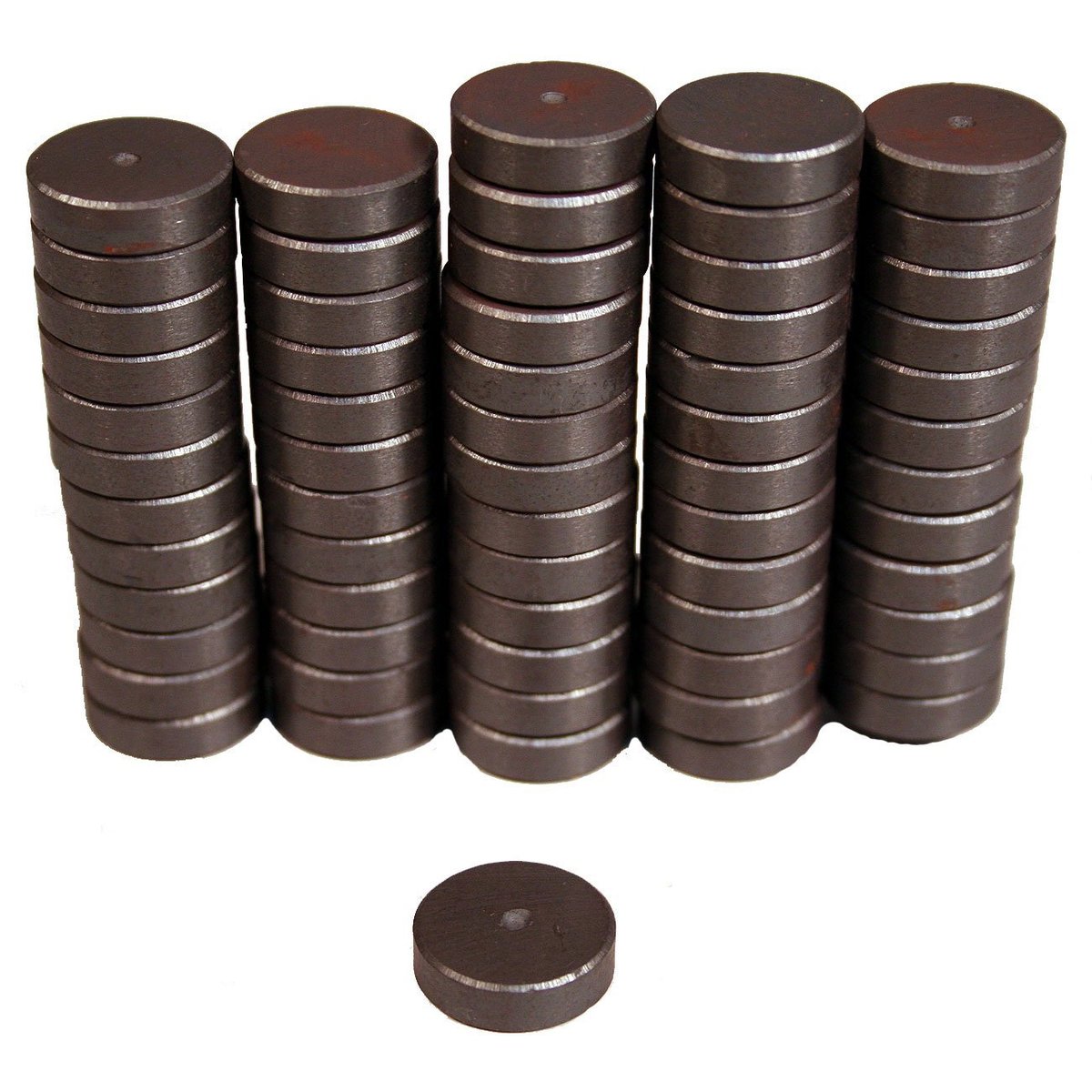
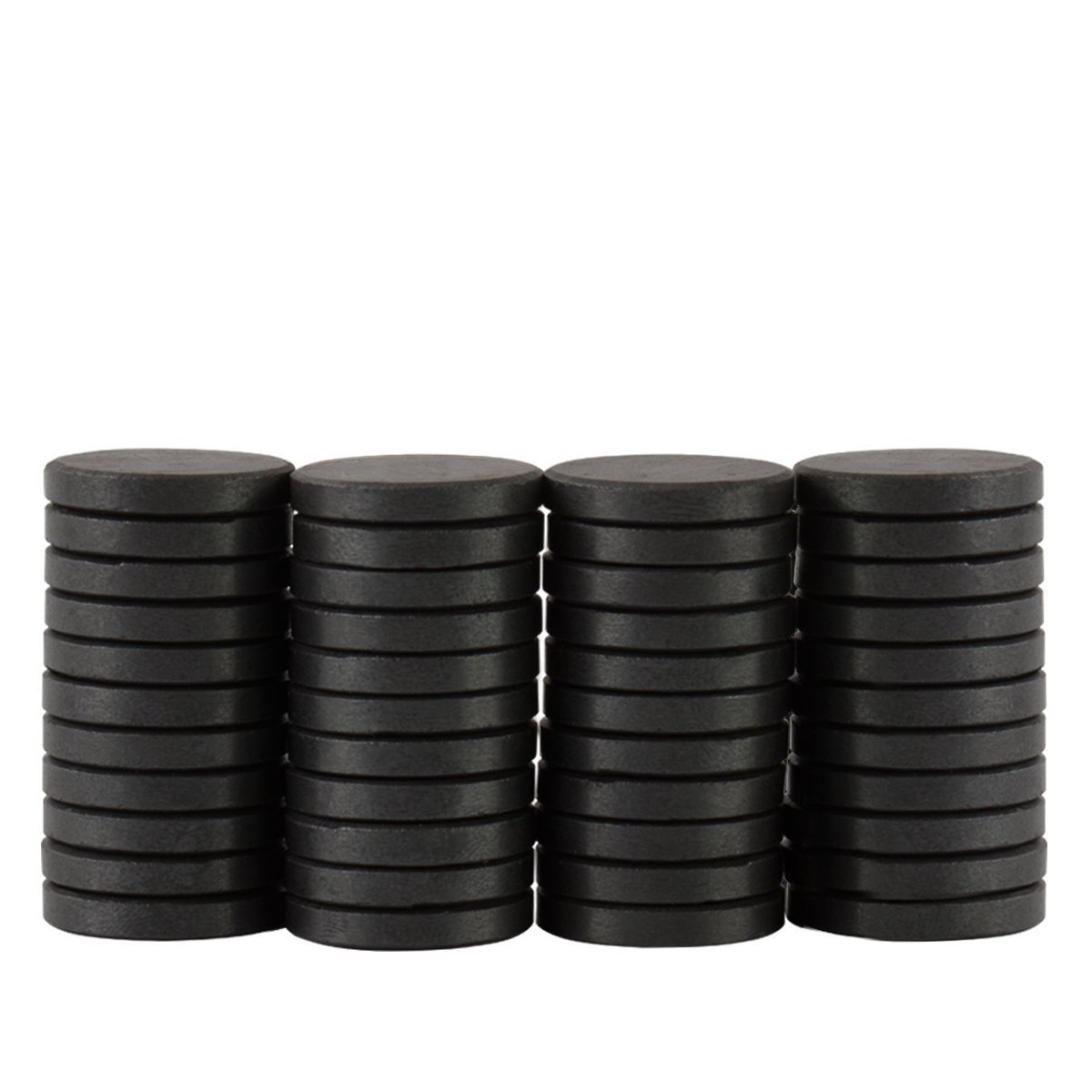
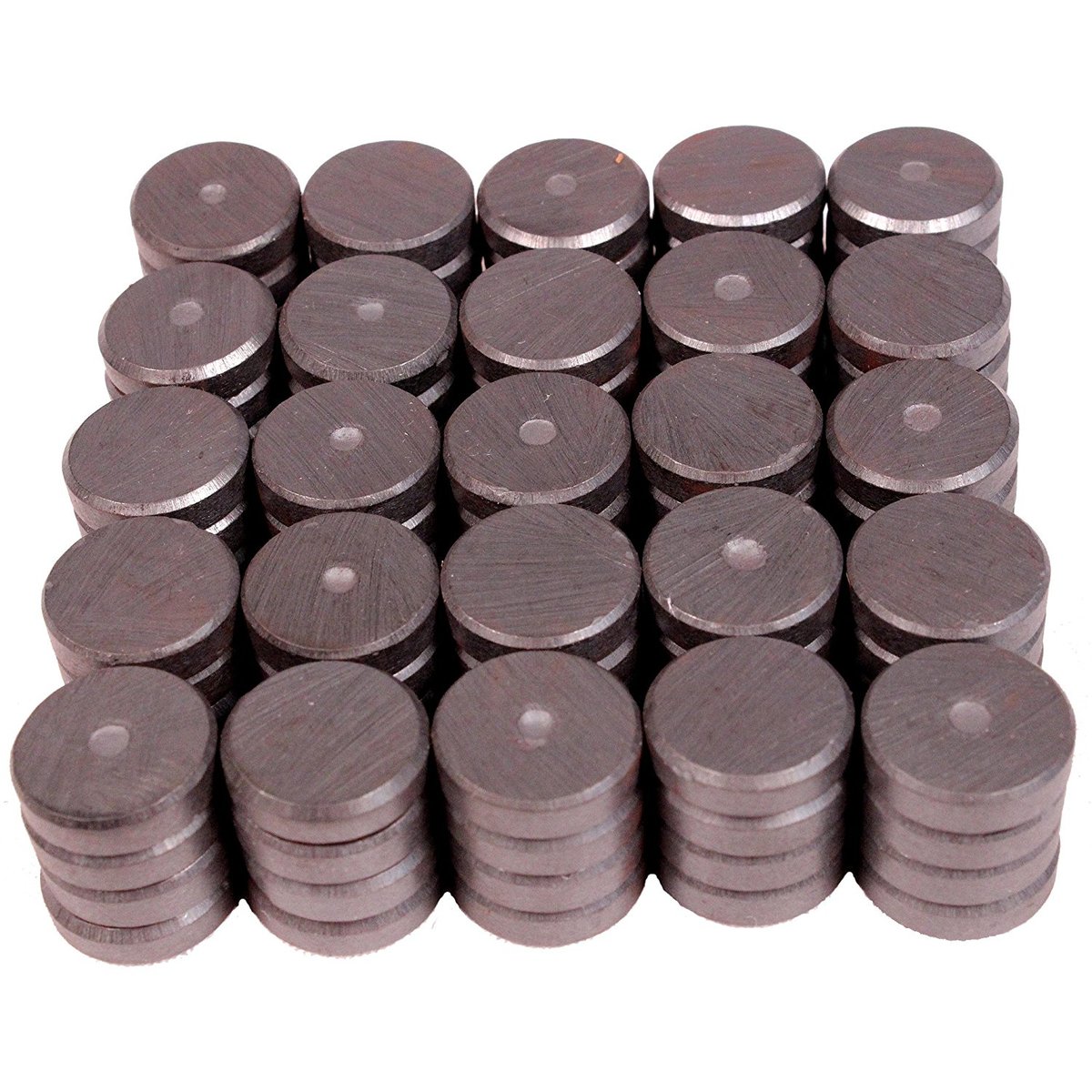
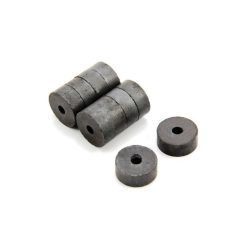
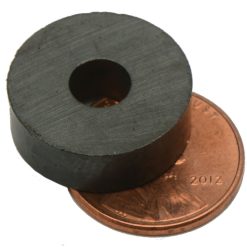
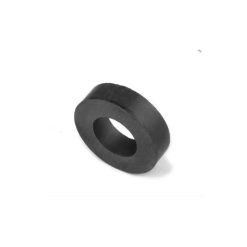
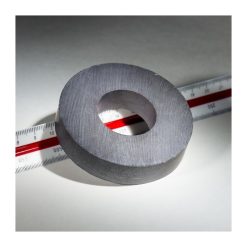
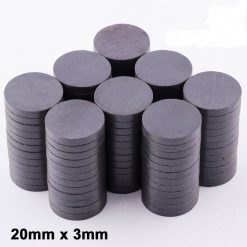
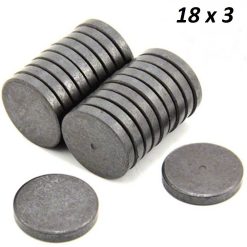
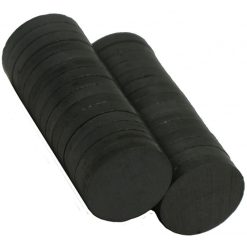
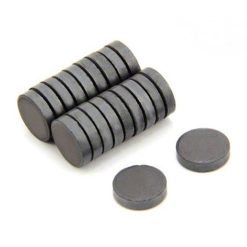
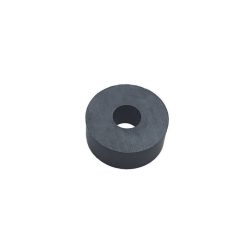
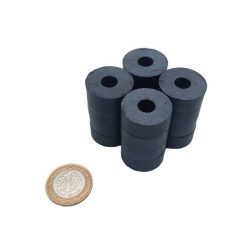
Ferrite Disc Magnet 10×3 mm (10 mm Dia. x 3 mm Thick) Y35 Ceramic Magnet
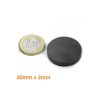
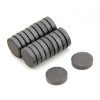
10×3 mm ferrite disc magnet – 10 mm Dia. x 3 mm Thick, grade Y35, ceramic (ferrite). Price on request – contact us for a quote.
- Pull force: approx. 160–240 g (0.4–0.5 lb)
- Tolerance: ± 0.2 mm
- Max. temperature: Max. 220 °C (428 °F)
- Minimum order: 50 pcs
Price on request
Tell us the quantity you need and your delivery country. We reply with a price, lead time and shipping options, usually within one business day.
10×3 mm ferrite disc magnet – 10 mm Dia. x 3 mm Thick, grade Y35, uncoated ferrite. Approx. pull force 160–240 g (0.4–0.5 lb) on thick steel. Supplied by Aso Dükkan, Istanbul, Turkey – request a quote for international orders.
- Size: 10×3 mm (10 mm Dia. x 3 mm Thick)
- Grade: Y35
- Pull force: approx. 160–240 g (0.4–0.5 lb)
- Coating: Uncoated (ceramic surface)
- Max. operating temperature: Max. 220 °C (428 °F)
What Is a 10×3 mm Ferrite Disc Magnet?
The 10×3 mm ferrite disc magnet is a disc, 10 mm in diameter and 3 mm thick, made of Y35-grade hard ferrite. It is an economical, corrosion-resistant magnet that keeps working at high temperatures.
Ferrite (ceramic) magnets are made by sintering iron oxide with strontium or barium carbonate. They need no coating, do not rust and can be used up to 220 °C. Their pull force is lower than neodymium magnets of the same size, but they cost much less. Magnetisation is axial, with the poles on the large flat faces.
Technical Specifications
| Product | Ferrite Disc Magnet |
|---|---|
| Diameter | 10 mm |
| Thickness | 3 mm |
| Tolerance | ± 0.2 mm |
| Material | Strontium/barium ferrite (ceramic) |
| Grade | Y35 |
| Coating | Uncoated (ceramic surface) |
| Max. operating temperature | Max. 220 °C (428 °F) |
| Magnetisation | Axial (poles on the large flat faces) |
| Pole marking | None (N/S not marked) |
| Pull force (perpendicular) | Approx. 160–240 g (0.4–0.5 lb) |
| Shear force (vertical surface) | Approx. 40–50 g (0.1–0.1 lb) |
| Surface field | Approx. 1,000 gauss (0.10 T) |
| Remanence (Br) | 0.40–0.41 T (4.0–4.1 kG) |
| Coercivity (Hcj) | 180–200 kA/m (2.3–2.5 kOe) |
| Max. energy product (BHmax) | 30–32 kJ/m³ (3.8–4.0 MGOe) |
| Weight | approx. 1.2 g per piece |
10×3 mm Ferrite Disc Magnet Pull Force
On a thick (at least 10 mm), flat steel plate, the 10×3 mm Y35 ferrite disc magnet has a pull force of approx. 160–240 g (0.4–0.5 lb) when pulled straight off. On a vertical surface its resistance to sliding is roughly 20–25 % of that, about 40–50 g (0.1–0.1 lb). The field at the centre of the pole face is about 1,000 gauss.
Real-world holding force depends on conditions: paint, plastic, fabric or an air gap reduce it quickly – with small magnets even a 1 mm gap can halve it – and thin, rusty or rough steel holds less. The figures are calculated estimates for ideal conditions; allow a safety margin in critical applications.
Compare Similar Sizes
| Size | Approx. pull force |
|---|---|
| 10×3 mm (this product) | 160–240 g (0.4–0.5 lb) |
| 12×3 mm | 200–300 g (0.4–0.7 lb) |
| 14×3 mm | 240–360 g (0.5–0.8 lb) |
| 15×3 mm | 260–380 g (0.6–0.8 lb) |
| 17×3 mm | 290–430 g (0.6–0.9 lb) |
| 18×3 mm | 300–450 g (0.7–1.0 lb) |
| 20×3 mm | 330–490 g (0.7–1.1 lb) |
Applications
- Fridge magnets and promotional magnets
- Cabinet and door catches
- School, science and education kits
- Crafts, DIY and model making
- Holding applications at high temperatures
Not a toy; keep away from children. People with pacemakers should keep a safe distance. Read all safety warnings →
How to Order
Prices are not listed for international buyers. Use the WhatsApp or Request a Quote by E-mail buttons on this page and tell us the quantity and delivery country; we reply with a price, lead time and shipping options. Minimum order quantity: 50 pcs. Browse more sizes in the ferrite disc magnets category.
Frequently Asked Questions
What is the pull force of a 10×3 mm ferrite disc magnet?
On thick, flat steel and pulled straight off, it holds approximately 160–240 g (0.4–0.5 lb). This is the maximum under ideal conditions; paint, thin sheet metal, rough surfaces or an air gap reduce it.
How much weight does it hold on a vertical surface?
On a vertical steel surface a magnet resists sliding with about 20–25 % of its perpendicular pull force – roughly 40–50 g (0.1–0.1 lb) for this size. For heavier loads use a larger magnet or several magnets.
How do I identify the north and south poles?
The magnets are not pole-marked; the poles are on the large flat faces. The north-seeking end of a compass needle points to the magnet’s south pole, or you can compare with a magnet whose poles you know – like poles repel, opposite poles attract.
Ferrite or neodymium – which should I choose?
Neodymium magnets are roughly 7–10 times stronger than ferrite magnets of the same size. Ferrite magnets are cheaper, need no coating, do not rust and work up to 220 °C.
Do you ship internationally, and what is the minimum order?
Prices are given on request. Send us the quantity and your country via WhatsApp or e-mail and we will reply with a quote, lead time and shipping options. Minimum order: 50 pcs.
| Weight | 0.0012 kg |
|---|